


SCIENTZ
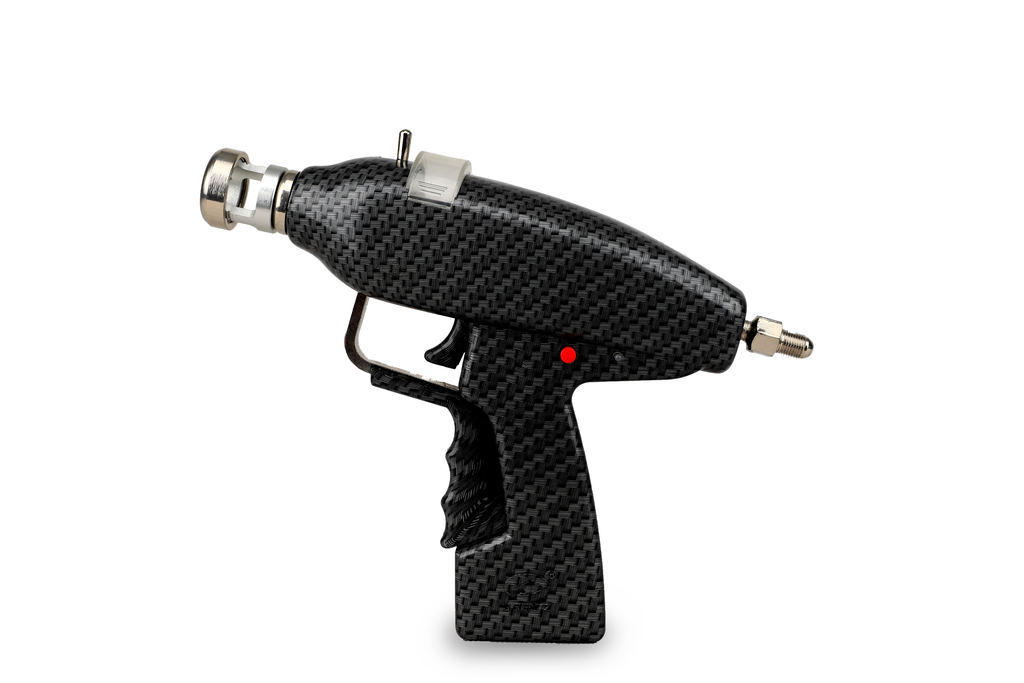
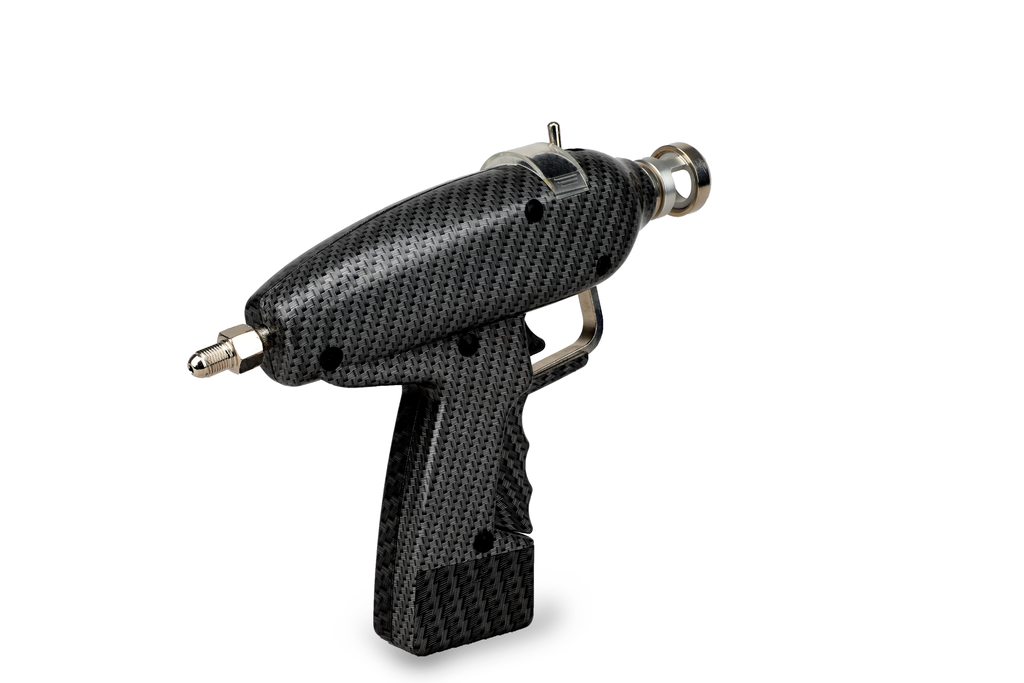
Handheld Gene Gun
Code SJ-500
Handheld biolistic particle delivery system that uses a helium- or nitrogen-driven ‘cold’ gas shock wave (0.5–5 MPa) to deliver gold or tungsten DNA-, RNA- or protein-coated microparticles into cells, tissues, and live animal or plant material for fast, on-site gene transfer.
Read more
See other products in applications
Features
SJ-500 Portable Gene Gun
The SJ-500 is a handheld biolistic particle delivery system (gene gun) designed for fast, on-site transformation of cells, tissues and live animal or plant material. A dedicated mechanism generates a regulated gas shock wave ranging from 0.5 to 5 MPa, using helium or nitrogen as the power source. Because this “cold” gas shock wave avoids the localized heating produced by “hot” gas systems, the SJ-500 limits sample damage while still delivering reliable, high-quality transgenic results.
Features
- High conversion rate – uniform particle dispersion combined with a convertible receptor design
- Convenient and portable – lightweight, hand-held design enables on-site transformation outside the lab
- High specificity – no unrelated genes or proteins are introduced into the sample
- Low sample requirements – low-input, vector-free processing with no DNA size limitation
- Versatile targeting – suitable for in situ, in vitro and in vivo bombardment
Technical Parameters
- Target area: approx. 2 cm² (small)
- Working pressure range: 0.5–5 MPa (12 shots per magazine revolution)
- Target type: animal cells, plant cells, living plant leaves, live animal skin, muscle and organs
- Power supply: 9 V (up to 1000 shots per battery)
- Gas source: helium or nitrogen
- Metal particles: Φ0.8–1.5 µm / Φ1.5–3.0 µm gold or tungsten powder
- Bombardment method: direct spotting from the magazine or nylon tube preparation
Standard System Configuration
Cutting machine, nylon tube magazine, sampling unit.
Applications of SJ-500 Portable Gene Gun
- Research on transient manifestations of gene function
- Development and application of DNA vaccines
- Studies of functional stability
- Genetic and cancer-related research
- Genetic engineering and drug-related research
- Gene therapy research
- Transgenic plant research
Typical fields of use include the food industry, agricultural and forestry sciences, biological engineering, and animal medicine.
Specifications
- Target area: approx. 2 cm² (small)
- Working pressure range: 0.5-5 MPa (12 shots per magazine revolution)
- Target type: animal cells, plant cells, living plant leaves, live animal skin, muscle, organs
- Voltage: 9V (up to 1000 shots per battery)
- Gas source: helium or nitrogen
- Metal particles: Φ0.8-1.5 µm / Φ1.5-3.0 µm gold or tungsten powder
- Bombardment method: direct spotting from magazine or nylon tube preparation
References
Indicative experimental conditions from Scientz application data: mice, abdomen, 2.54 MPa, helium, Φ1.6 µm gold or tungsten, launch tube tightly attached (Fudan University Military Academy); rats, liver or kidney, 1-1.5 MPa, helium, 1-3 mm distance, Φ1.6 µm gold or tungsten (Biophysical Institute).
Related products
