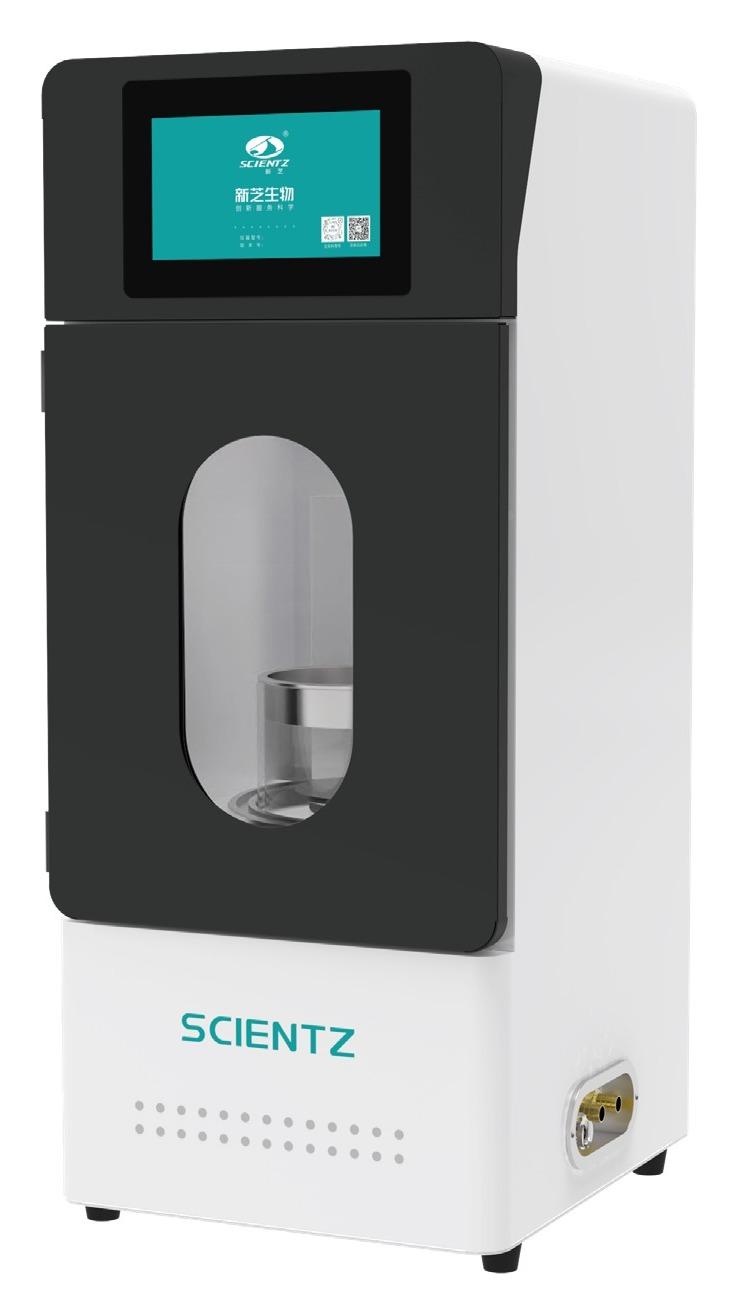
Dual-Mode Ultrasonic Homogenizer: Probe and Non-Contact
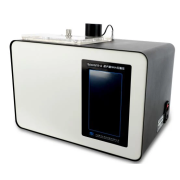
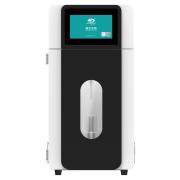
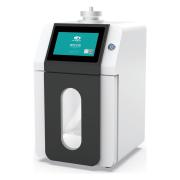
The SCIENTZ-2000J is a multifunctional integrated ultrasonic homogenizer that combines contact (probe) and non-contact sonication in one instrument. It can process several small-volume samples simultaneously in sealed containers under sterile, ultra-micro conditions – avoiding cross-contamination – and can also handle larger sample volumes; the ultrasonic mode is selected according to the sample volume.
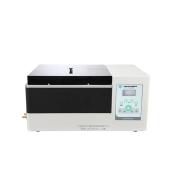
A low-temperature chiller is included as standard, so samples are processed at 4–10 °C with uniform energy distribution and complete ultrasonic action. The instrument has become a versatile tool for animal cell disruption, microbial disruption, chromatin immunoprecipitation (ChIP) and DNA digestion.
Key Features
- High compatibility – works in both contact and non-contact ultrasonic modes
- Isothermal control – operates with a cooling water circulation system; matching chiller included
- Integrated sound insulation cabinet – compact footprint with a large viewing window
- Digital power supply – automatic frequency tracking without manual tuning
- Electric lifting – transducer raised and lowered via remote or electronic control
- Test function – pulsed and continuous operation
- Safety – overload, over-temperature and time alarms
- Low noise – three-dimensional eco-friendly acoustic insulation panels
- Internal lighting and disinfection function
Working Principle
The generator converts mains power into a high-frequency electrical signal that drives a piezoelectric transducer. The resulting mechanical vibration is amplified by a titanium alloy horn and transmitted into the liquid at the probe tip. Rapidly alternating pressure cycles create cavitation bubbles that grow and collapse, generating intense local shear forces and micro-jets. These forces rupture cell walls and membranes, break up agglomerates and accelerate mass transfer and chemical reactions.
Applications of the SCIENTZ-2000J Ultrasonic Homogenizer
- High-throughput sample mixing and emulsification
- Animal cell disruption
- Bacterial disruption
- Chromatin immunoprecipitation (ChIP) sample preparation
- DNA shearing and digestion
- Materials engineering applications
- Display: 7-inch capacitive touch screen
- Ultrasonic frequency: 20–25 kHz
- Ultrasonic power: 2450 W (1–100%)
- Total working time: 1–999 min
- Ultrasonic on time: 0.1–99.9 s
- Interval time: 0–99.9 s
- Horn material: TC4 titanium alloy
- Disruption capacity: 100 µl–100 ml
- Alarm temperature: 0–99.9 °C
- Temperature display: yes
- Matching chiller: standard
- Internal lighting: yes
- Disinfection function: yes
- Operating temperature: 0–55 °C
- Storage and transport temperature: −25 to 70 °C
- Relative humidity: 30–90%, non-condensing
- Integrated main unit with sound insulation cabinet
- TC4 titanium alloy transducer and horn
- Low-temperature chiller